Businesses can struggle even when they have opportunities. They fail because they can’t manage them properly. Scattered leads, missed follow-ups, and disconnected data create operational problems. Over time, these problems create chaos. That’s exactly what a CRM is built to solve.
Choosing the right CRM matters as much as adopting one. To turn that decision into a plan, start with a CRM requirements brief based on real sales work; then prepare the records with our CRM data migration checklist. If enquiries arrive through messaging, see how to link WhatsApp conversations to existing CRM contacts without losing ownership or context. Using a CRM is one thing; using the right CRM, especially a custom one, is what drives growth.
Key takeaways
- A CRM centralizes customer information, communication history, pipelines, and follow-ups.
- Standard CRMs offer quick setup, while custom systems are built around your workflow.
- A custom CRM can connect tools, automate tasks, and improve operational visibility.
- Consider a custom system when your tools or current CRM limit a growing team.
What Is a CRM (Customer Relationship Management)?
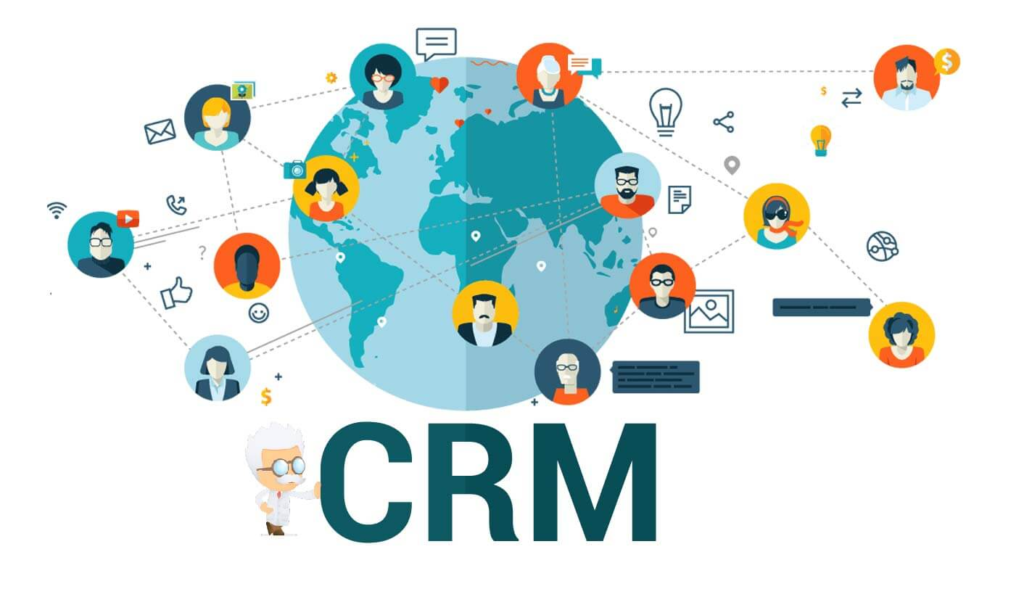
A CRM is a system that helps businesses manage, track, and optimize interactions with customers and leads.
It centralizes:
- Customer data
- Communication history
- Sales processes
- Tasks and follow-ups
A simple way to understand it: a CRM is your business memory and control system.
A CRM makes the following information tracked, visible, and actionable, so you no longer have to guess:
- Who to follow up with
- What stage a deal is in
- What a client needs
What Does a CRM Actually Do?
A modern CRM goes far beyond storing contacts. It acts as a central operating system for your business.
Key functions:
- Centralize data: Keep all customer information in one place.
- Track pipelines: Know exactly where each deal stands.
- Automate workflows: Reduce manual work.
- Improve communication: Log every interaction.
- Generate insights: Make decisions based on real data.
Why CRM Is Important for Any Business
Managing customers manually can cost your business money.
A CRM helps you:
- Stop losing leads
- Improve conversion rates
- Stay organized
- Scale your operations
- Make better decisions
Types of CRM Systems
1. Standard CRM (Off-the-Shelf)
Examples:
- HubSpot
- Salesforce
- Zoho
Pros:
- Quick setup
- Pre-built features
Cons:
- Limited flexibility
- Expensive at scale
- Not tailored to your workflow
2. Custom CRM (Built for Your Business)
A custom CRM is designed around:
- Your process
- Your team
- Your business model
- Standard CRM: You adapt to it.
- Custom CRM: It adapts to you.
Why a Custom CRM Is a Game Changer
Built Around Your Workflow
The system follows your pipeline, stages, and logic rather than a generic template.
Full Integration
Connect email, WhatsApp, tasks, invoices, and reporting in one place.
Automation That Works
Automate follow-ups, lead assignment, notifications, and workflows.
Better Visibility
Track revenue, performance, and operations clearly.
Scalable System
Your CRM grows with your business.
When Should You Move to a Custom CRM?
You should consider it if:
- You’re using multiple tools to manage operations
- Your current CRM feels limiting
- Your team is growing
- You want automation and control
- You want full visibility into your business
Example: Operations With and Without a CRM
Without a CRM
- Leads in WhatsApp
- Tasks in notes
- Revenue in Excel
With a Custom CRM
- Automatically captured leads
- A visible pipeline
- Automated tasks
- Generated reports
The business remains the same, but the system changes how it operates.
Ready to Build a CRM That Actually Fits Your Business?
Most businesses don’t need more tools. They need a system that works the way they work. That’s exactly what a custom CRM delivers.
At Megvi Digital, we build CRM systems tailored to your workflow — helping you:
- Capture and manage leads efficiently
- Automate your sales and follow-ups
- Track revenue and performance in real time
- Scale your operations without chaos
If you’re serious about building a system that supports your growth, you can explore more here:
Megvi’s CRM development service
Final Thoughts
A CRM is more than a tool; it is the backbone of your operations.
The difference between using a CRM and using the right CRM can mean the difference between chaos and control, or between missed opportunities and scalable growth.
FAQs
What is CRM in simple terms?
A CRM is a system that helps you manage customers, leads, and sales processes.
Why is CRM important?
A CRM improves organization, efficiency, and revenue growth.
Is custom CRM worth it?
Yes, especially for growing businesses that need flexibility and control.
What is the biggest benefit of CRM?
The biggest benefits are centralized data and better decision-making.
