AI is transforming how online stores are discovered. Gone are the days when ranking on Google alone was enough. Today, eCommerce businesses need to optimize for AI search tools like ChatGPT, Gemini, Perplexity, and Google AI Mode to reach more potential customers and increase conversions.
This guide is designed for eCommerce beginners, showing how to optimize your store for AI search, step-by-step, with examples and practical tips.
Why AI SEO Matters for eCommerce
AI-powered search tools are not just a novelty—they are becoming primary discovery channels. Users ask AI specific questions like:
“What are the best running shoes for flat feet under $100?”
“Which skincare products are safe for sensitive skin?”
AI can surface your products directly in answers, not just as a link in Google. For eCommerce, this means:
- Higher visibility: Customers can discover your products through AI answers.
- Higher-intent traffic: AI queries are usually specific, showing clear buying intent.
- Increased trust: AI references trustworthy brands, which can improve your store’s credibility.
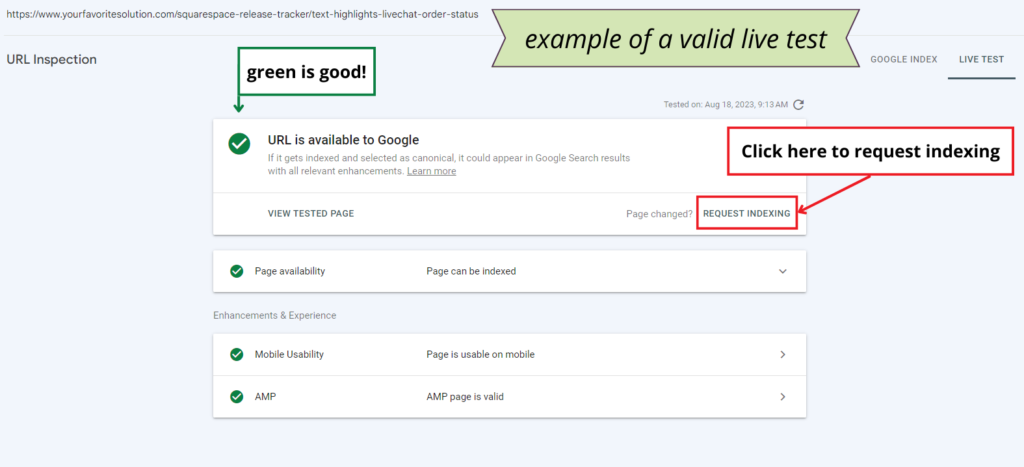
Step 1 – Ensure Your Store Is Indexed Correctly
AI relies heavily on content indexed by search engines. If your website isn’t properly indexed, AI tools might never see your products.
Google & Bing Indexing Checklist
- Submit your XML sitemap to Google Search Console and Bing Webmaster Tools.
- Fix crawl errors and broken links.
- Remove any noindex tags on important product pages.
- Ensure your product descriptions are HTML text, not hidden in JavaScript or images.
Example
A UAE-based fashion store optimized its sitemap and fixed indexing issues on Bing. Within 2 months, AI tools started referencing 15% more of their product pages in ChatGPT responses.
Step 2 – Structure Content for AI Extraction
AI tools love structured and easily readable content. This applies to:
- Product descriptions
- Blog posts
- FAQs
- Guides and tutorials
How to Structure Content
- Use descriptive headings like “Best Running Shoes for Flat Feet” or “Top Skincare for Sensitive Skin.”
- Include short paragraphs with clear points.
- Use bullet points or numbered lists for product features or comparisons.
- Add tables for specifications or pricing comparisons.
Example
Instead of writing:
Our shoes are comfortable and durable.
Write for AI:
Nike Air Zoom Pegasus 40 – Features include:
- Cushioned sole for flat feet
- Lightweight mesh upper
- Price: AED 350
- Available in sizes 36–45
Step 3 – Use Direct Answers and Expert Quotes
AI prefers content it can quote directly. For eCommerce, this means:
- Answer product questions immediately.
- Include real data like reviews, ratings, or test results.
- Use brand mentions and citations from authoritative sources.
Example
According to RunnersWorld UAE, the Nike Air Zoom Pegasus 40 offers superior arch support for flat feet, making it ideal for daily running.
This makes it easier for AI to reference your product in its answers.
Step 4 – Build Brand Mentions and Authority Signals
AI trusts brands that appear in multiple authoritative sources. This can include:
- Industry blogs or review sites
- Press coverage or niche publications
- Social proof like customer reviews
How to Find Opportunities
- Ask AI: “Best running shoe brands for flat feet” and note which sites it cites.
- Target those sites for guest posts, PR mentions, or reviews.
Example: UAE online shoe store got mentions in StepSport.ae and FitnessBlog.ae. These references increased AI visibility for their products.
Step 5 – Optimize for AI-Friendly Schema
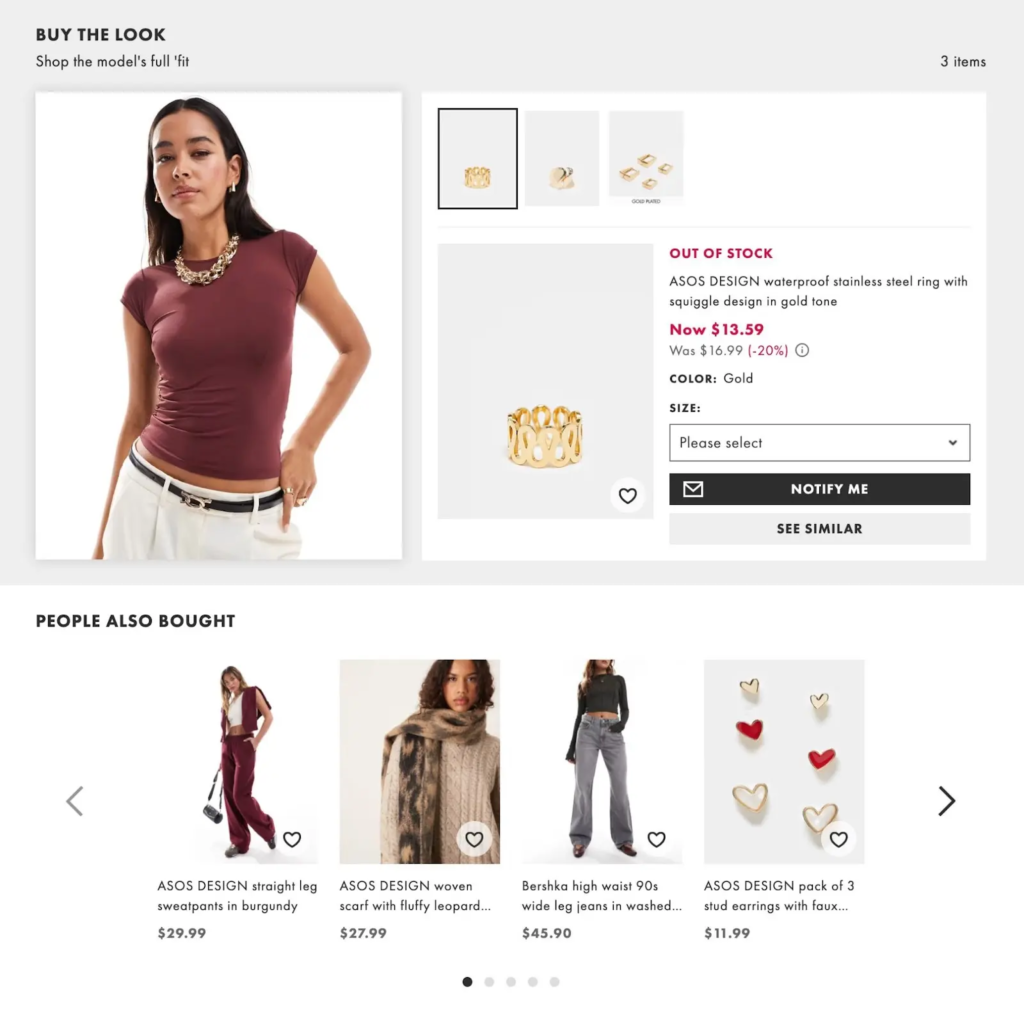
Schema markup helps AI understand product details and content structure.
Key Schema for eCommerce
- Product Schema (price, availability, rating)
- FAQ Schema (common product questions)
- Review Schema (star ratings and comments)
- Organization Schema (your brand info)
Tip: Use JSON-LD format for best AI compatibility.
Step 6 – Track and Measure AI SEO Performance
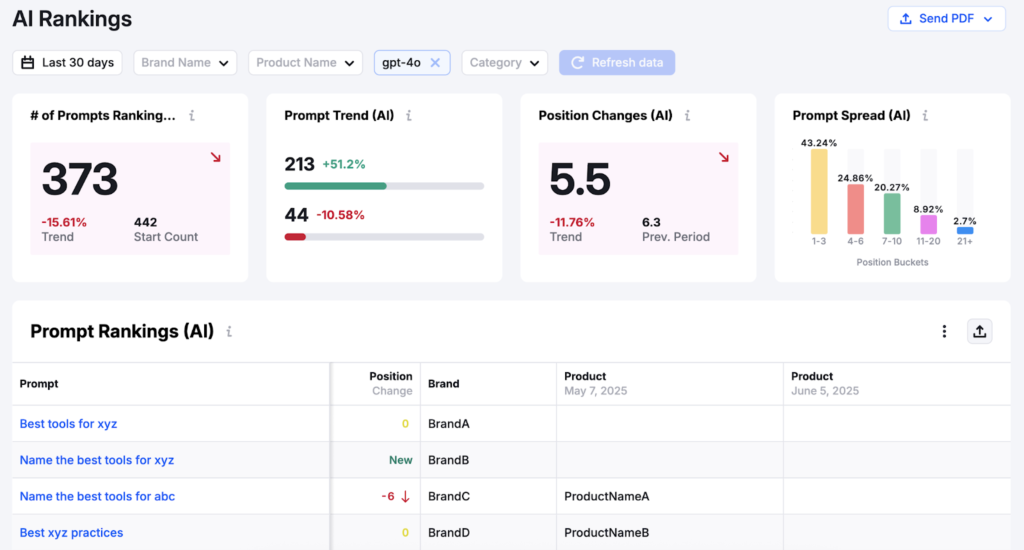
It’s crucial to track whether AI tools are mentioning your products and how prominently.
Metrics to Track
- Number of AI citations for products
- Specific queries your brand appears for
- Share of voice vs competitors
- Customer engagement from AI traffic
Tools You Can Use
- Semrush AI Visibility Toolkit: Monitors ChatGPT and AI Mode mentions.
- Manual tracking: Enter your product queries into ChatGPT or Gemini and note results.
Common Mistakes eCommerce Beginners Make
❌ Not indexing all product pages
❌ Writing generic product descriptions
❌ Ignoring schema markup
❌ No authority signals (backlinks or mentions)
❌ Using overly technical language instead of customer-focused descriptions
Quick AI SEO Checklist for eCommerce
✔ Ensure proper indexing in Google and Bing
✔ Structure product pages for AI extraction
✔ Use short paragraphs, headings, and bullet points
✔ Include direct answers, expert quotes, and statistics
✔ Get brand mentions in authoritative sources
✔ Add product, review, and FAQ schema
✔ Track AI visibility and competitor performance
Conclusion
AI SEO is the future of eCommerce visibility. By structuring your product pages, building authority signals, and optimizing for AI extraction, even small online stores can appear in AI-generated answers and attract high-intent traffic.
Start small, track your performance, and gradually expand your AI optimization efforts across products and categories to stay ahead in 2026 and beyond.
FAQs – eCommerce AI SEO
Q: Can small online stores appear in AI search results?
Yes. Clear product descriptions, structured content, and authoritative mentions can help smaller eCommerce sites compete.
Q: How long does it take to appear in AI search?
Visibility usually grows over 3–9 months, depending on authority and content quality.
Q: Are product reviews important for AI SEO?
Absolutely. AI tools often reference review data and ratings when recommending products.
Q: Do I need to use schema markup?
Strongly recommended. Schema helps AI understand product details faster and increases chances of citation.
Q: Is AI SEO separate from traditional SEO?
No. Optimizing for AI often complements Google SEO, improving both visibility channels.